Of the many off-beat travels that I have indulged in, Takdah in Darjeeling district is one. My work provides me the opportunity to visit different places, meet new people, and savour their local cultures. Hence, I have learned about many common and uncommon destinations when work has taken me there.
Takdah is located at an altitude of 5,100 ft in Rangli Rangliot community development block of Darjeeling district crowned by the mighty Kanchenjunga. It was a military cantonment during the British colonial period, in the early 1900s, led by the British and the Gorkha officers. Many senior British officers had constructed luxurious wooden bungalows for themselves in traditional British architectural style, with slanted roofs, fireplaces, and front gardens, for rest and recuperation during the first World War.
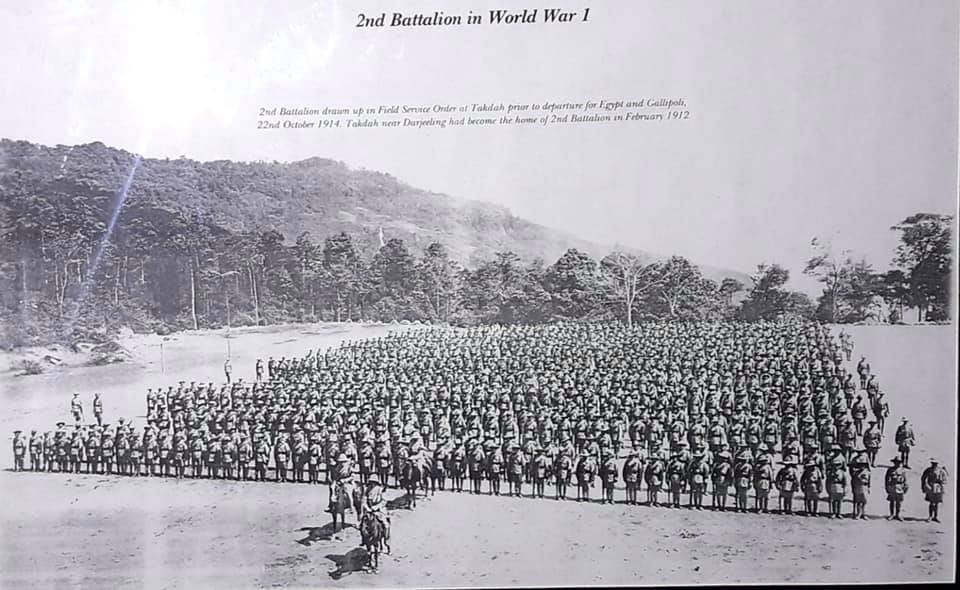
I got the opportunity to visit Takdah in March this year, seemingly the perfect season to enjoy the snow clad mountain peaks surrounding the lush green tea gardens. However, I did get to see the peaks, as it rained relentlessly in the North Bengal hills for an entire week covering my visit.
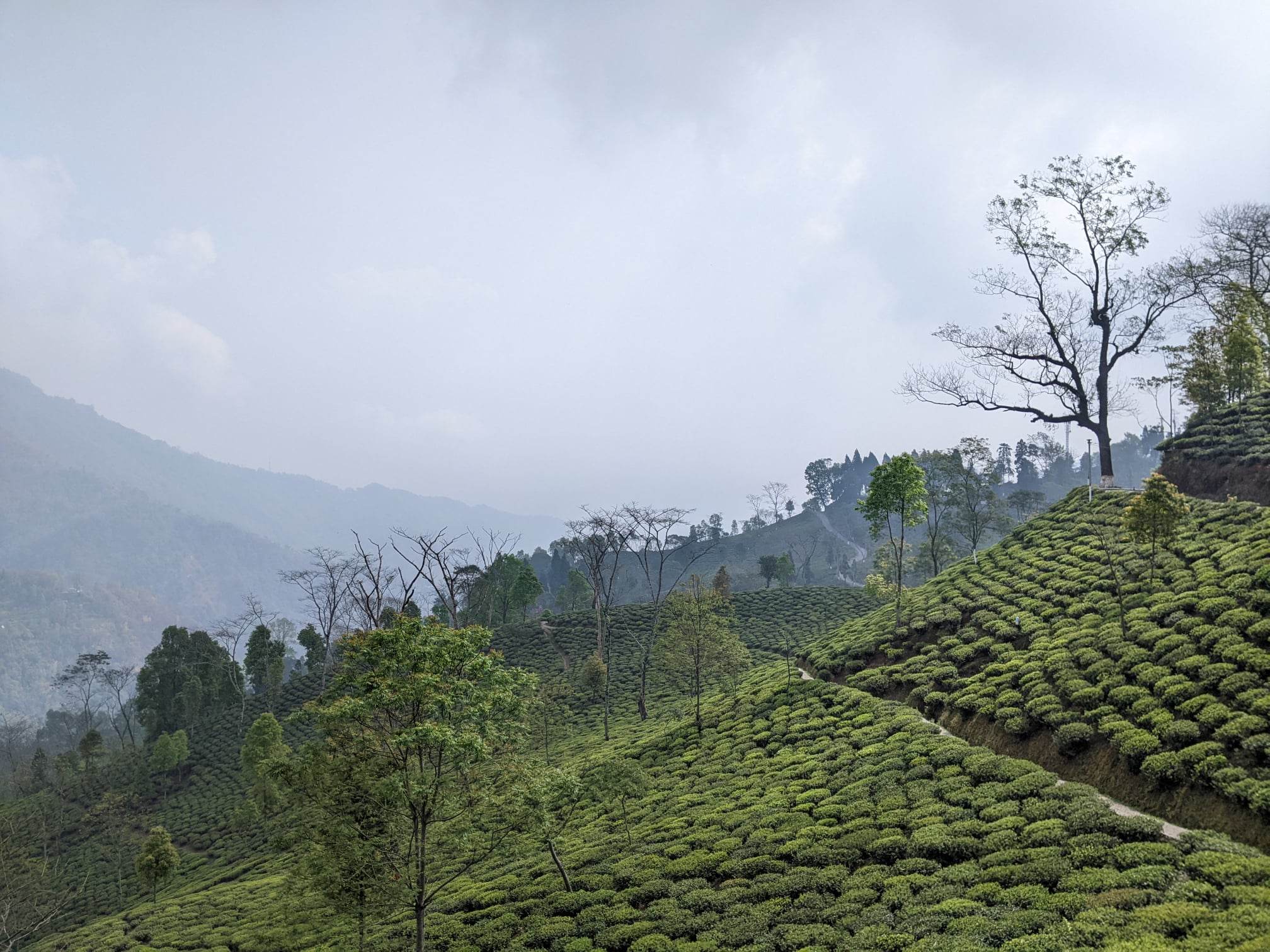
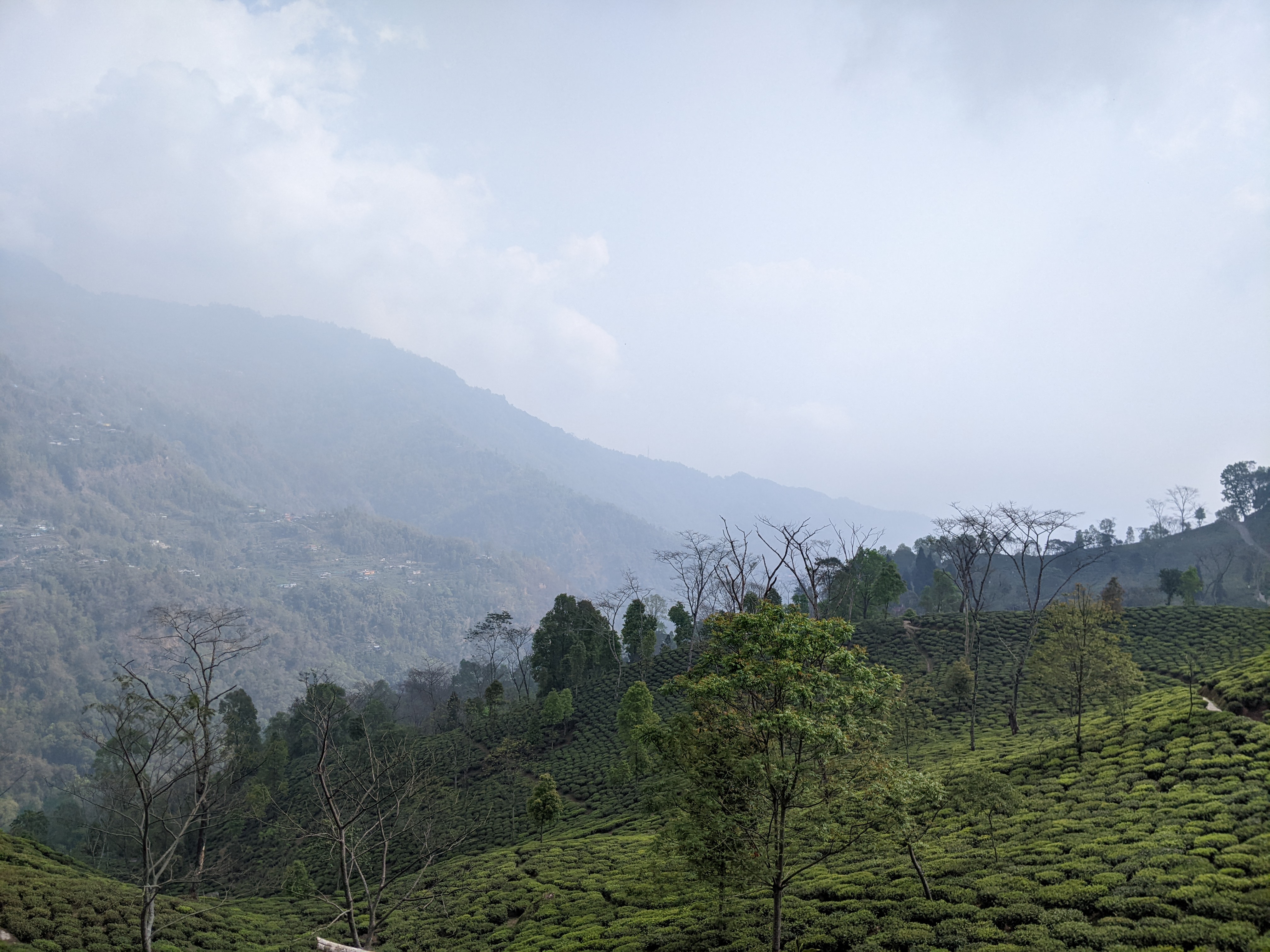
Although my stay and the experience were remarkable, I did return a tad bit disheartened that I could not see the much promoted 180 degree view of the snow covered mountains from Takdah. Once back home, I researched more about the place and found out that Takdah, originally pronounced as Tukdah, is a Lepcha word meaning mist or fog, and hence it is aptly named that way as mostly the place remains shrouded in mist.
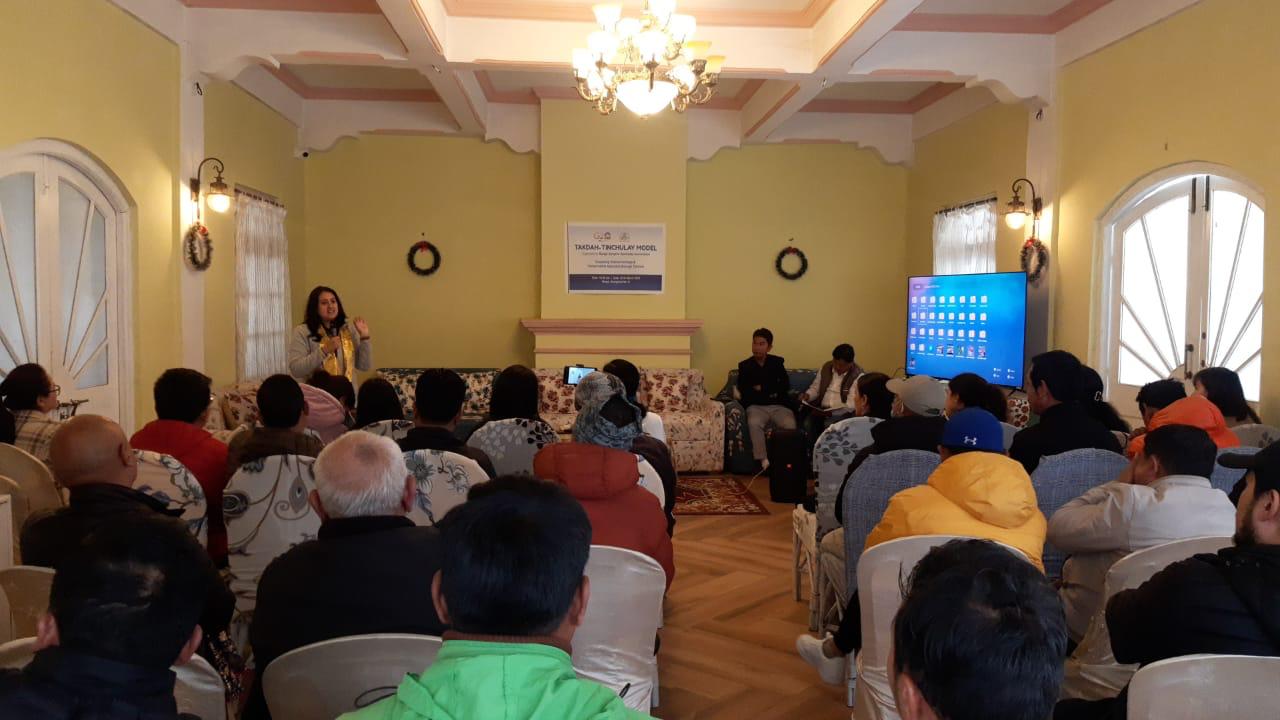
I had travelled from Kalimpong to Takdah with a friend and a colleague to join a community workshop organised by the local Rangli Rangliot Homestay Association on local cultural tourism development and heritage conservation, as well as the vital role that the residents of Takdah need to play to achieve it. Takdah is already a wonderful tourism destination visited by many, which I found out only when I landed there. However, I also realized that there is much to do to make it more sustainable, and hence the efforts to establish more organized dialogues with the local community.
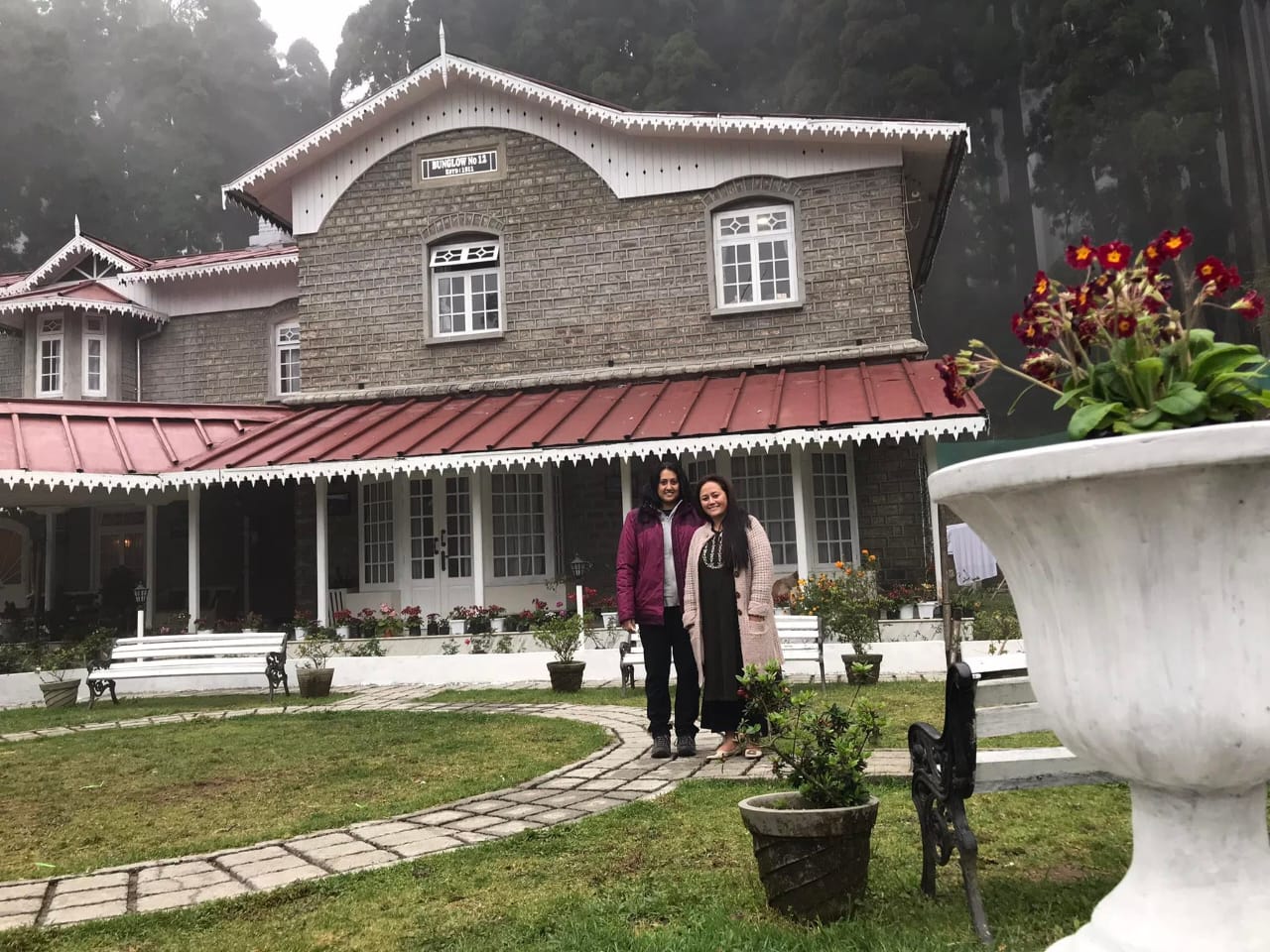
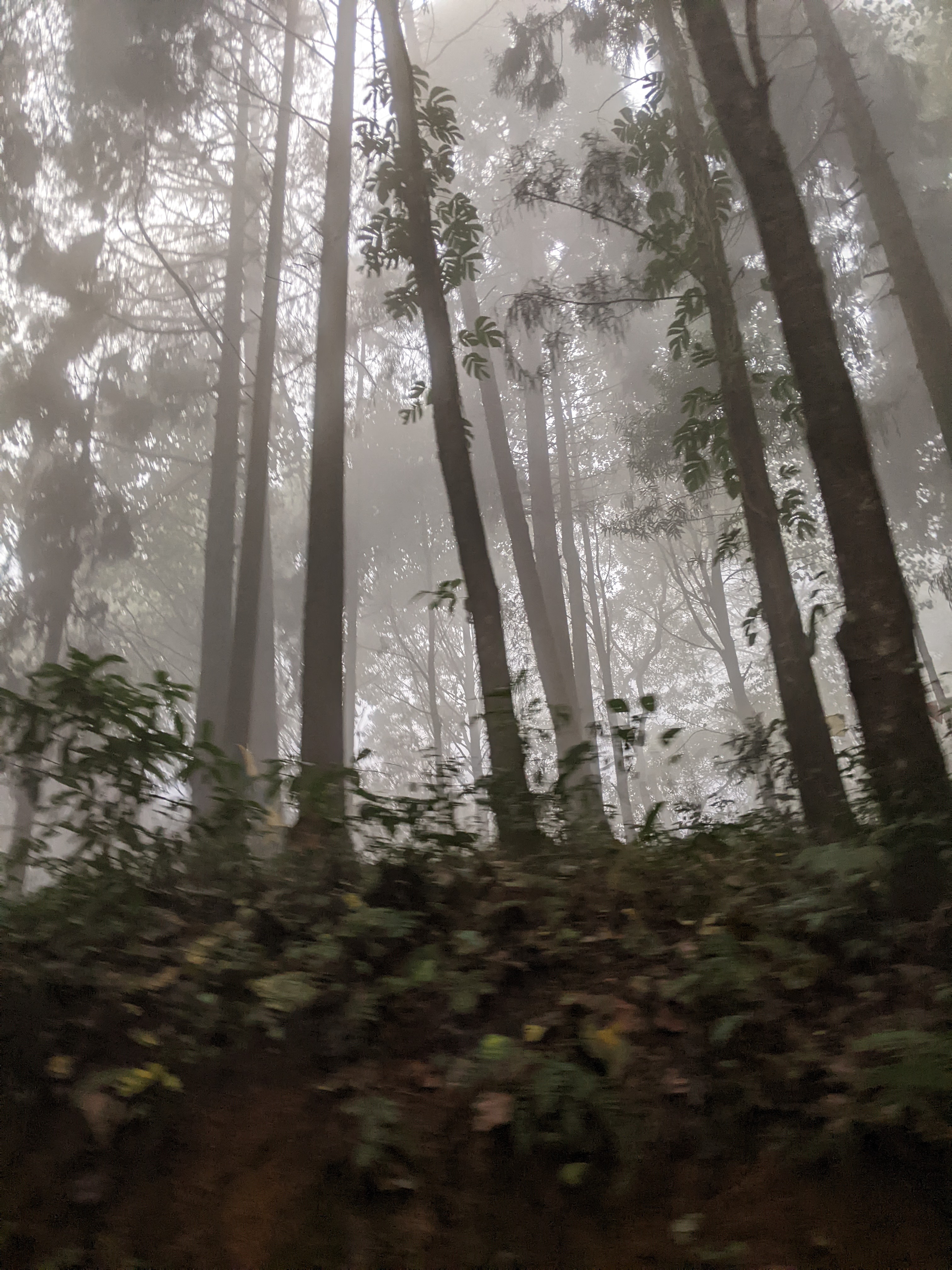
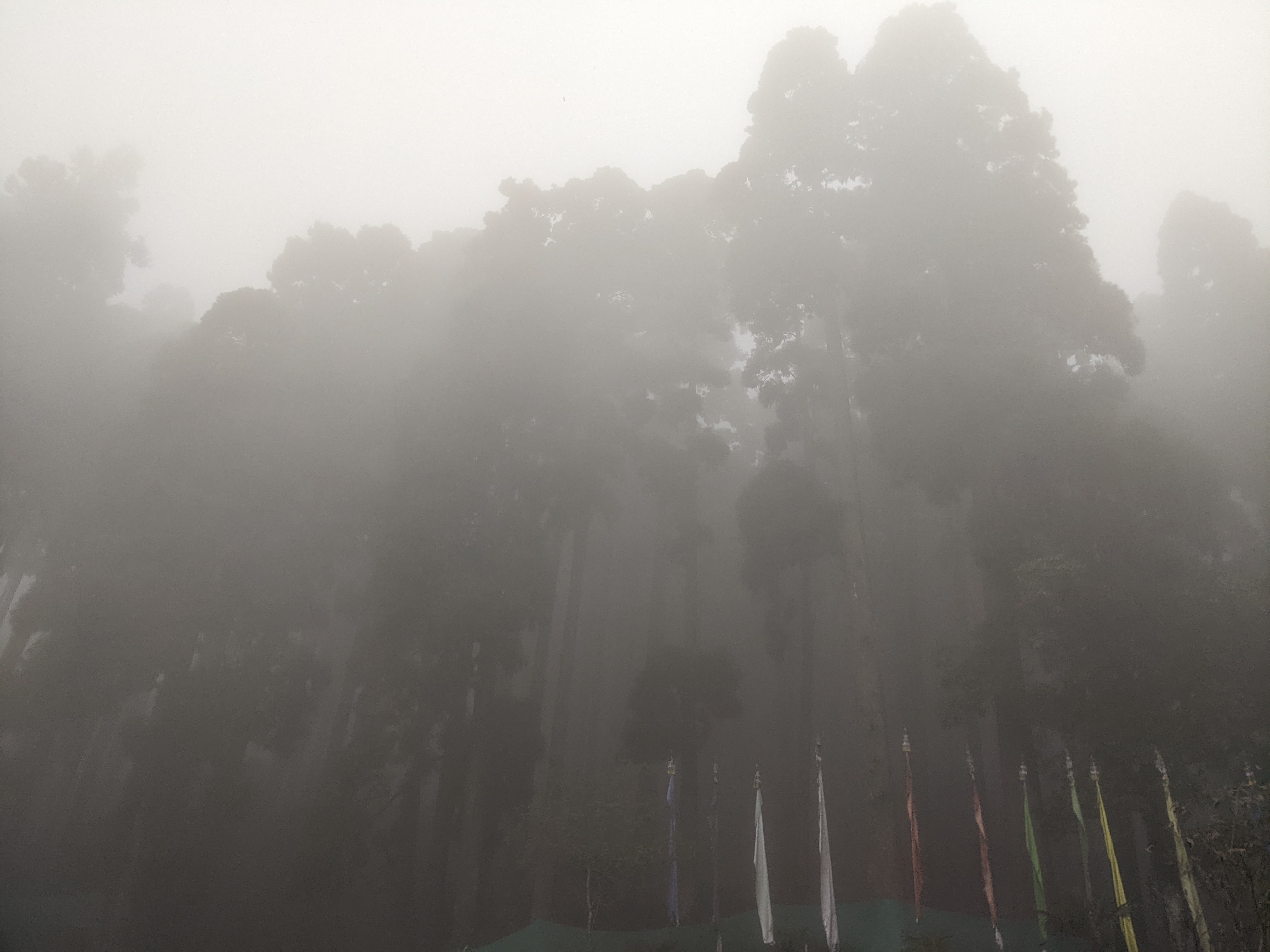
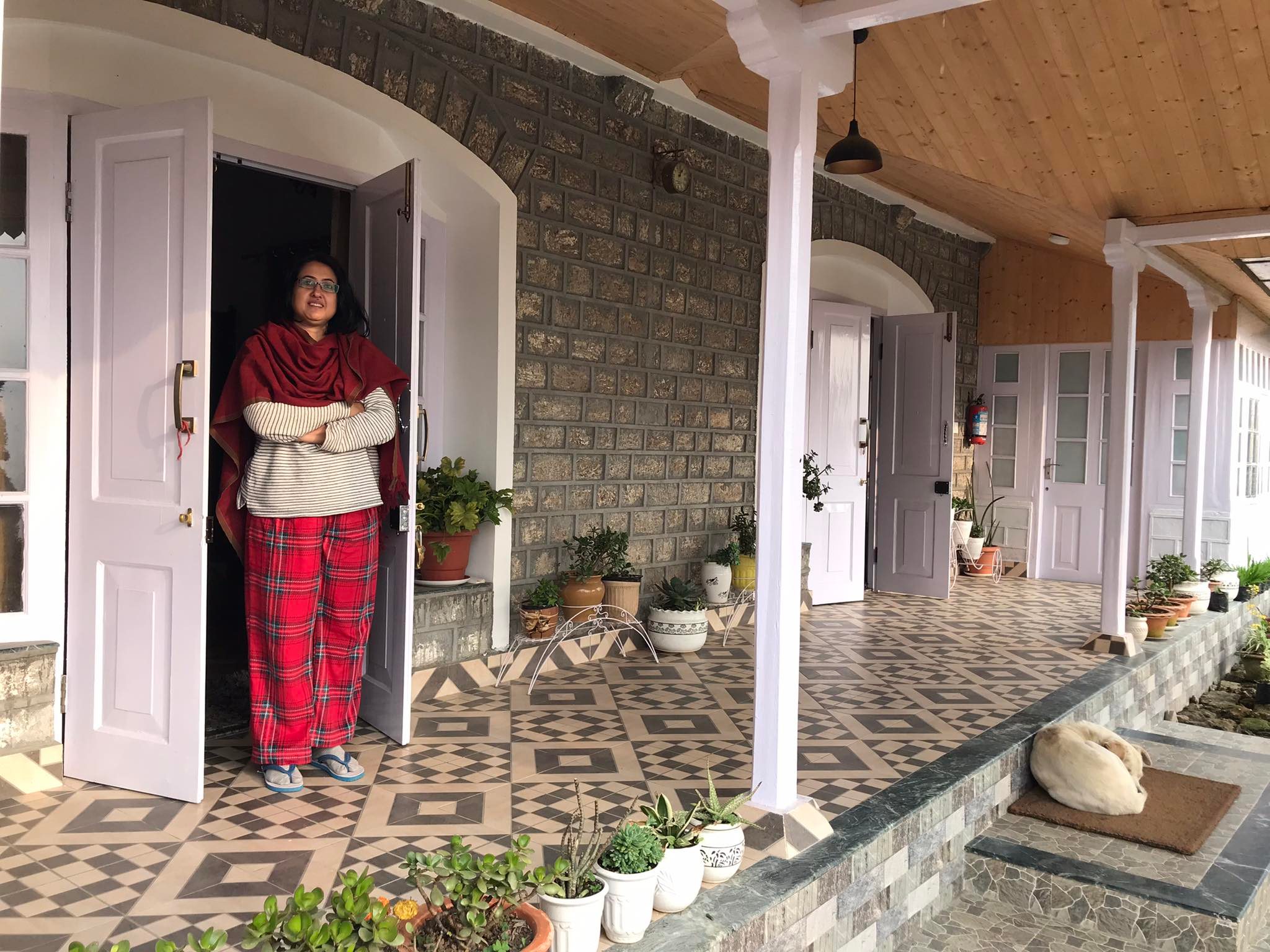
We reached Takdah in the early evening and were received by the very generous owners of the well-known Takdah Heritage Colonial Bungalow No. 12. Upon stepping out of the car, I felt like I had time warped into a different era. The beautiful colonial bungalow was popping out of the mist that encapsulated its surrounding forests and valleys. The sprawling garden in front of the white wooden bungalow spread into that mist creating a blurry outline of the property’s boundary. On one side, a boulder path meandered down which we had taken to come up by car. On another side a few steps went down from the edge of the garden to the town road through the mist. The huge pine and cedar trees stood tall at the rear of the house, covering the hilly terrain.

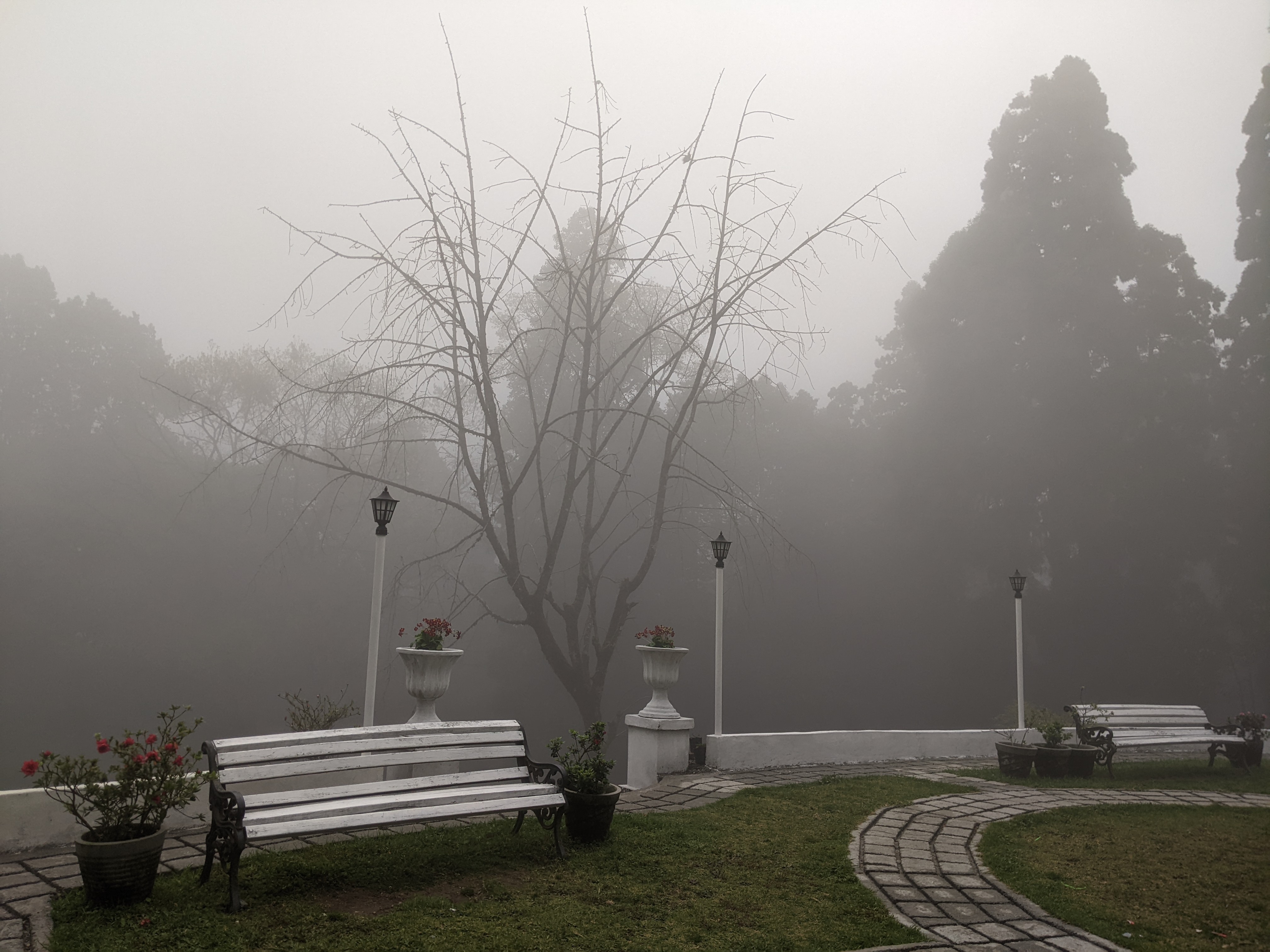
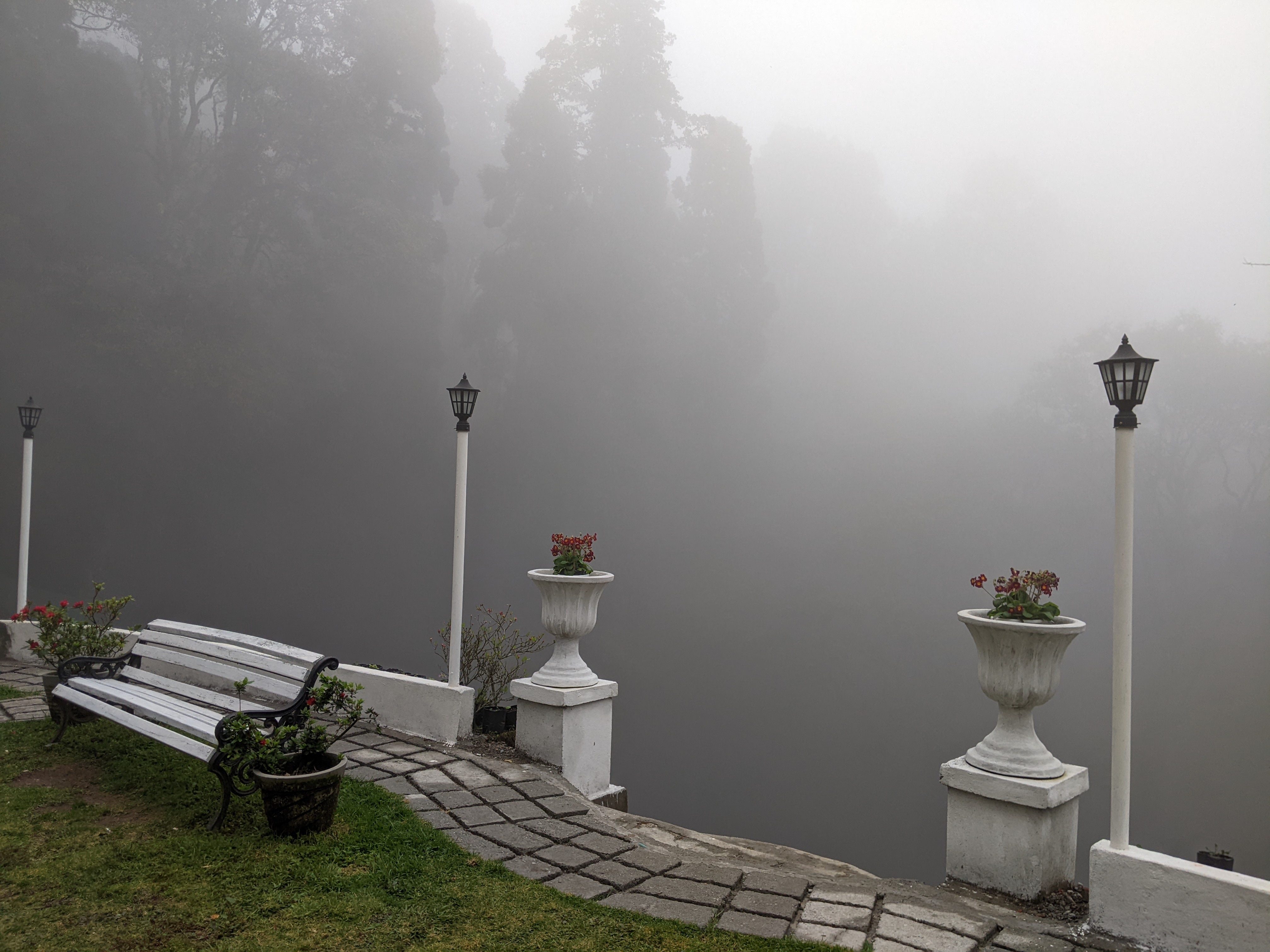


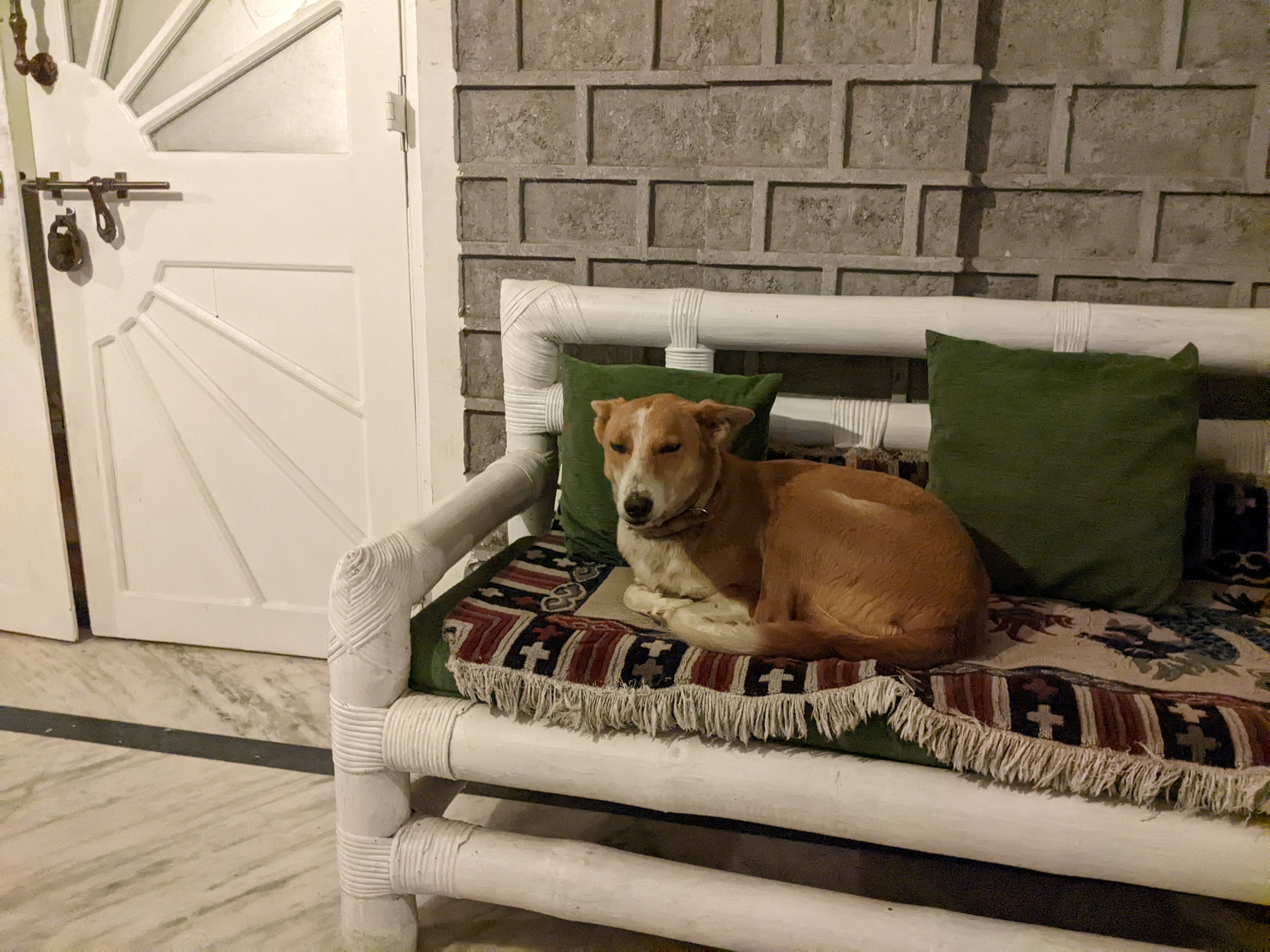
A very pretty portico ornamented with plants and flowers gave way to the inside of the house. The large spacious balcony decorated with nature photographs led us to the main hall, the wooden staircase, and the rooms on the ground and the first floors. The wide balcony was particularly welcoming at the first glance because of the nicely organised patio chairs where one could just sit to sink into the nature around. The sense of comfort was particularly reaffirmed by the pet canines who were happily sleeping on the larger chairs, not bothering about the humans around.
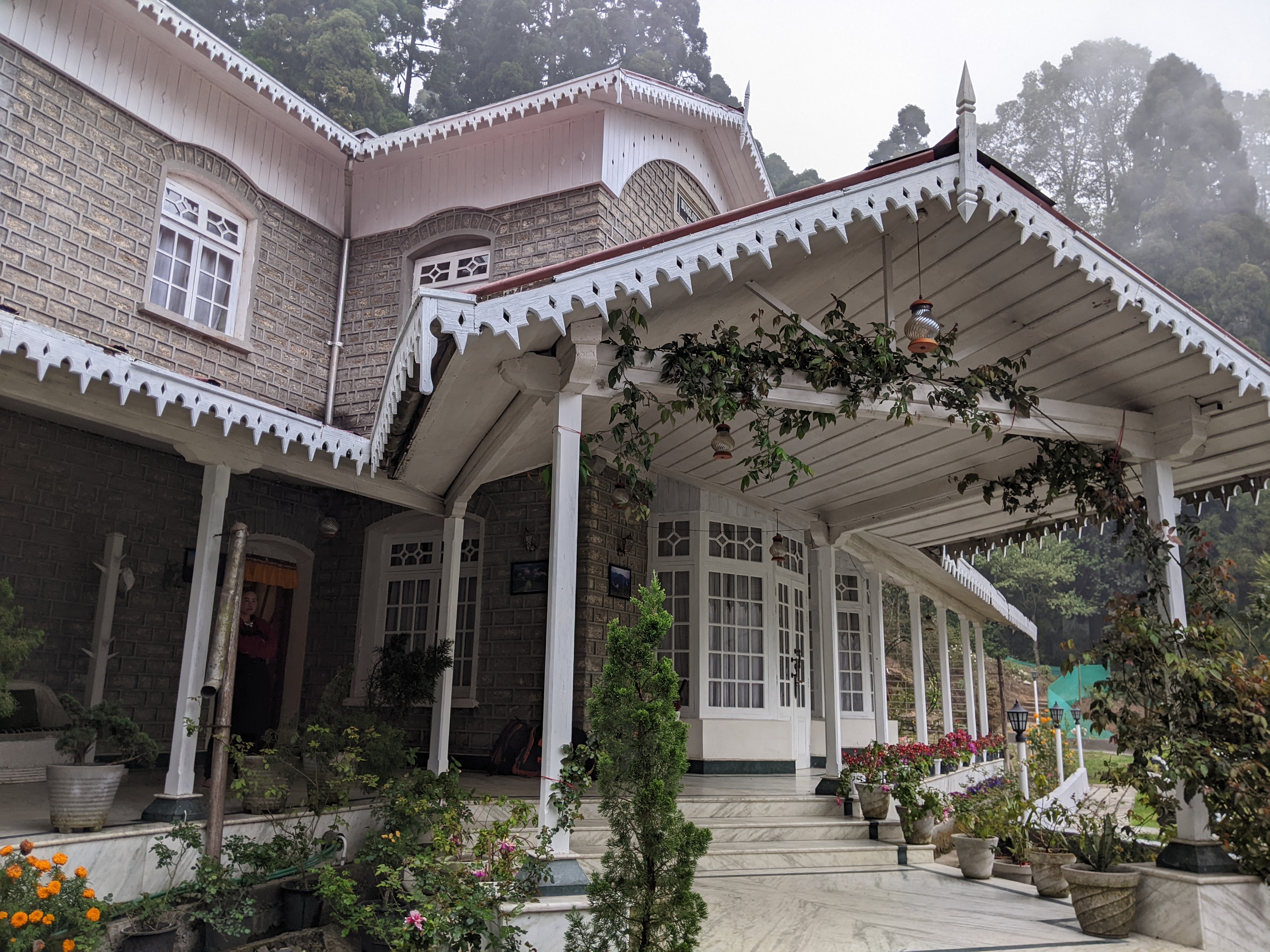
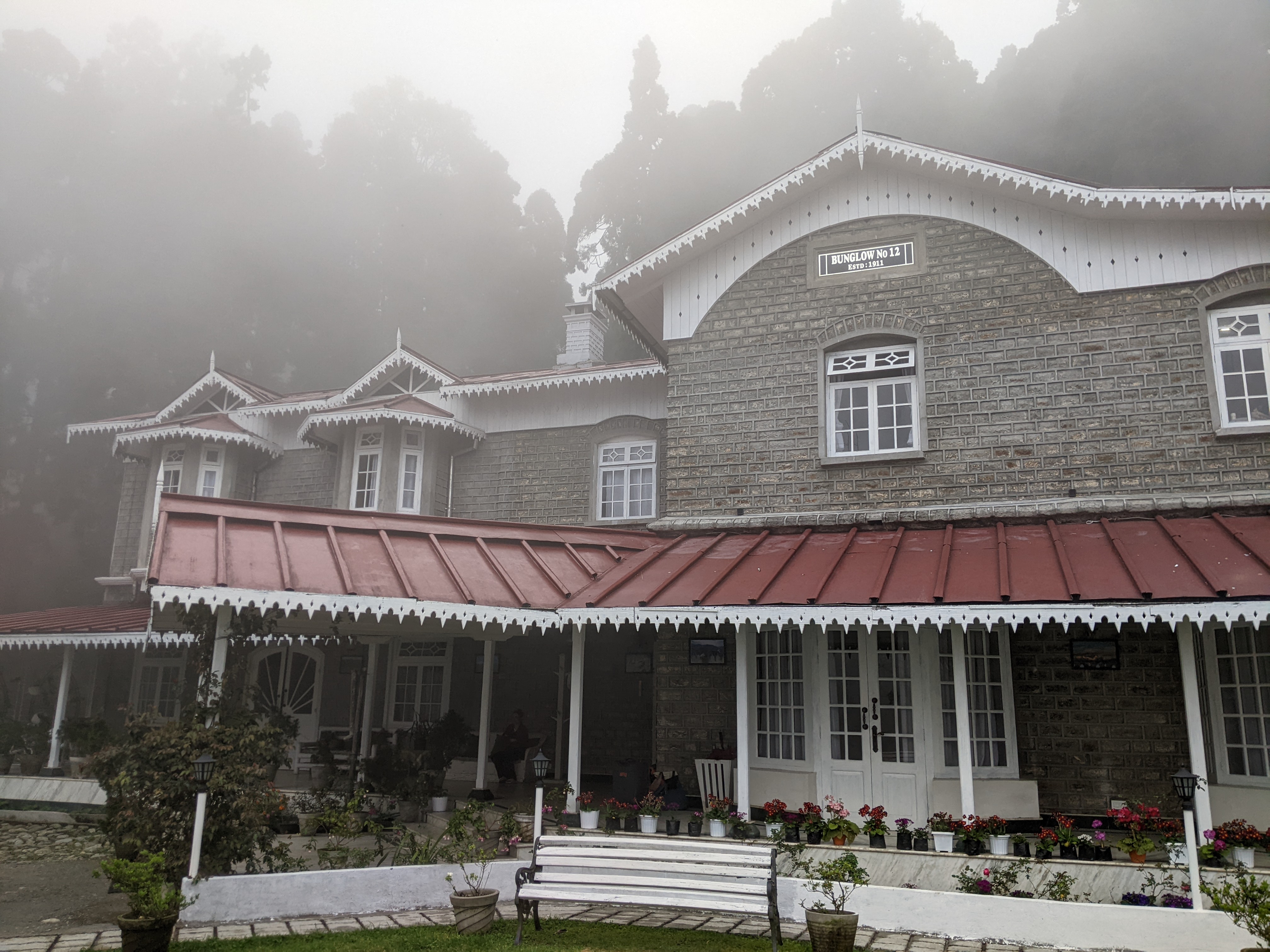


As we settled for tea, I came to know more about the hosts and how they have invested and toiled to reconstruct the completely dilapidated bungalow to conserve a piece of 112 years old heritage. The bungalow hall was our workshop location too where next morning community members of Takdah would gather.
The Bungalow No. 12 being a very popular home-stay in Takdah was completely filled with tourists, which meant that our stay that night was organized in another home-stay in Bungalow No. 3, which was a few minutes away. The next day we could get rooms to enjoy the Bungalow 12 heritage property.
The hosts were great story-tellers apart from providing excellent hospitality. They told us stories from the past, when Takdah was a British town and the local communities stayed in the lower parts of the valleys from where they came up everyday to work in the cantonment. They also told me about Takdah being an important centre of the Gorkhaland movement.
Listening to the current happenings of the bunglow were particularly entertaining. We heard about experiences of hosting Bengali film actors and directors who visited primarily for shooting, especially horror and thriller movies, for which the bungalow has been a popular choice.
After dinner, we were taken by the owner of Bungalow No 12 to the other homestay where we were booked for that night. The room that I entered in Bungalow No. 3 had four sections with high ceilings and a colonial aura. There was a large sitting room with old furnitures and a fireplace, an equally large bedroom with minimal furniture, leading to a dressing room, attached to the bathroom. I felt an eeriness, which must have been caused by the multifaceted history and fictional stories about British bungalows in Bengal that most Bengalis have been exposed to. The creepy feelings were amplified by the windy, rainy, cold weather. Possibly my facial expression gave me up, along with my detailed enquiries about whether the owner stays in the same house and that if there were more guests staying there that night, etc. Though I tried appearing candidly curious, the owner possibly understood the underlying issue, and thinking it would interest me, he started narrating about his family’s experiences of spirits in that house! That was it! I immediately retired to my room and the night went by just fine.
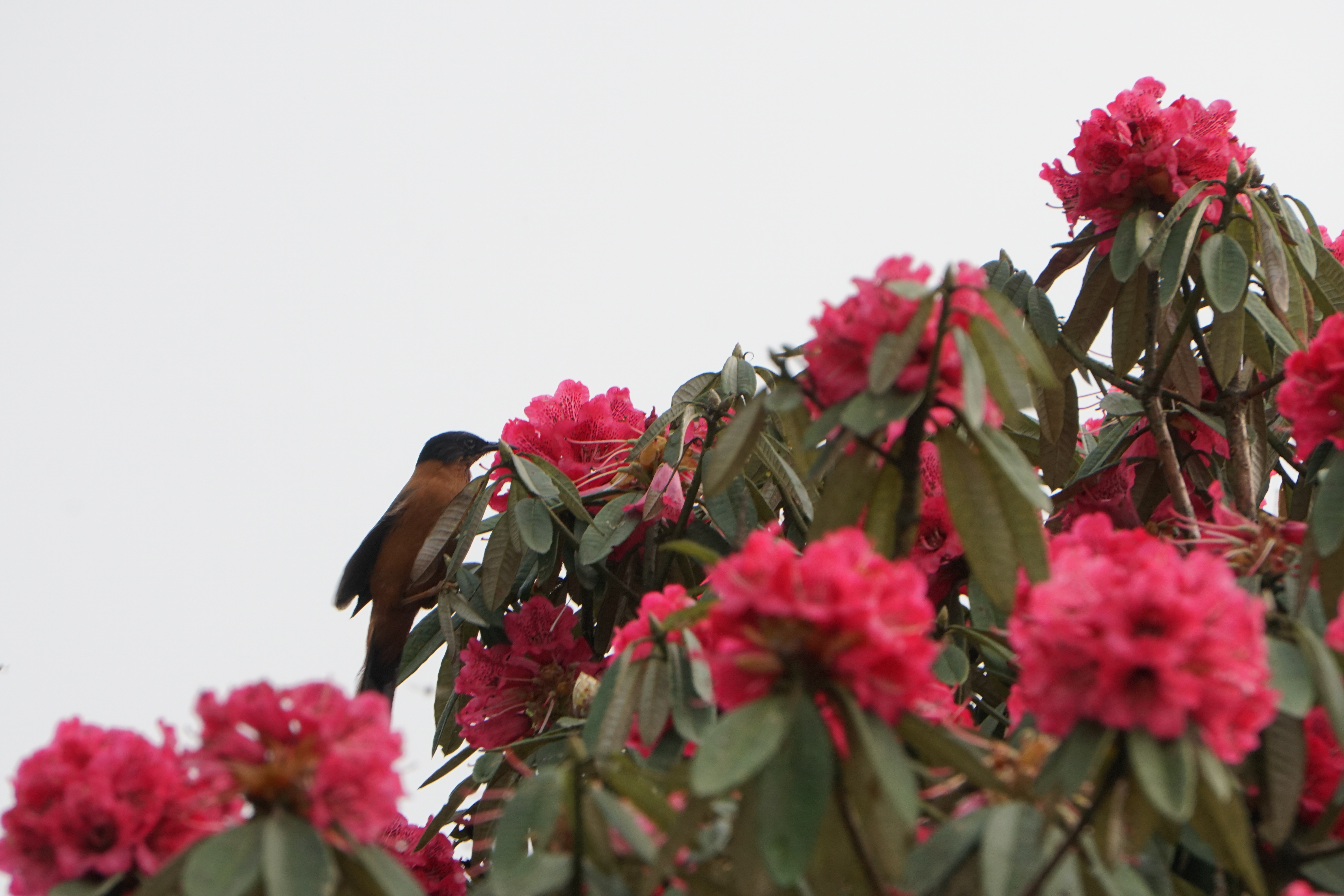
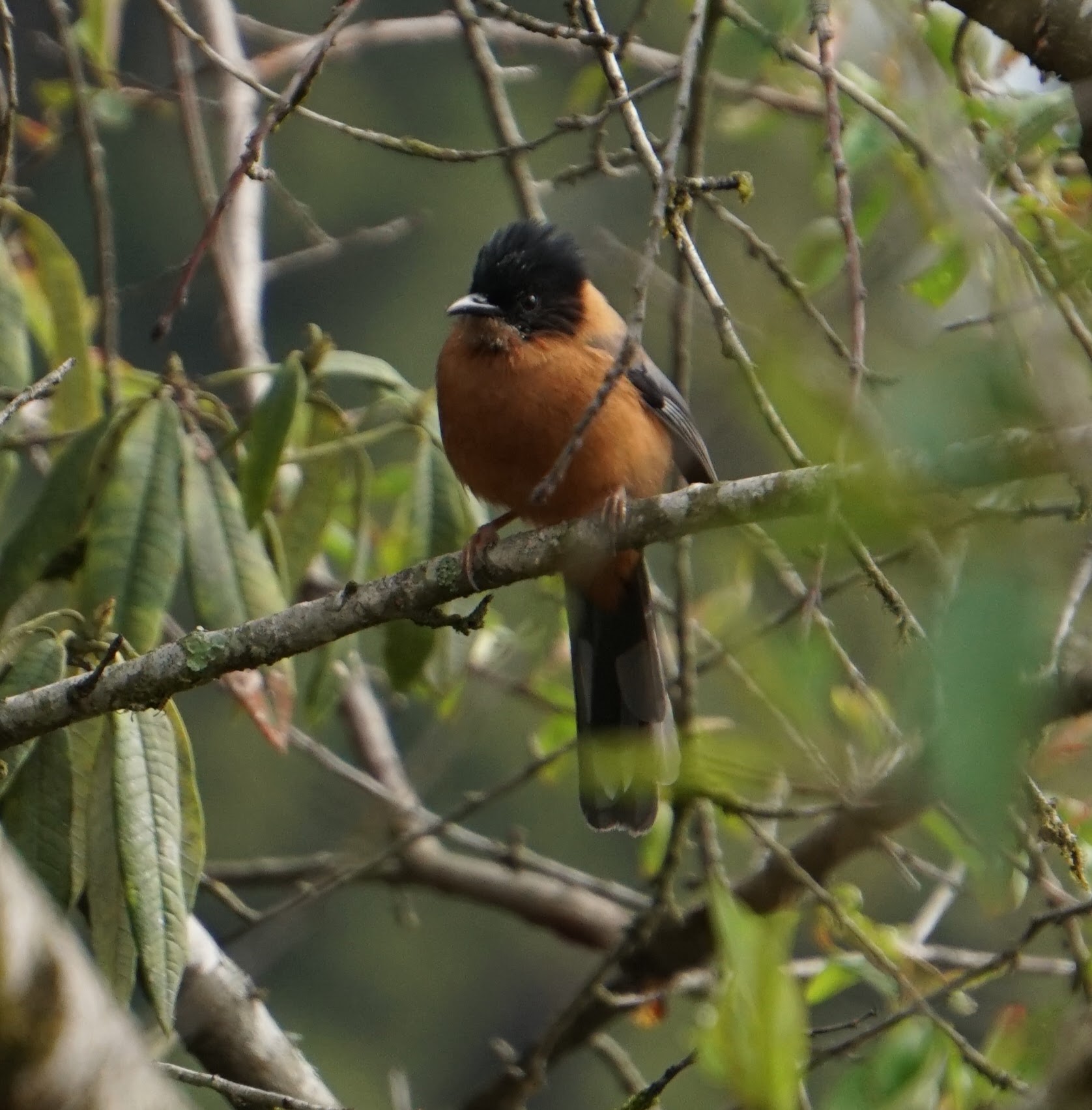
Next morning, we had to start early and as I sat outside, at the garden table, waiting for my friend to join for the morning tea and coffee served with fresh cakes from the local bakery, I watched different kinds of birds chirping from the small trees and bushes right in front of the bunglow. Later I was told that some of the birds I saw, such as the Rufous Sibia feeding on the Rhododendrons is a rare sight, and that photographing them is a big deal.

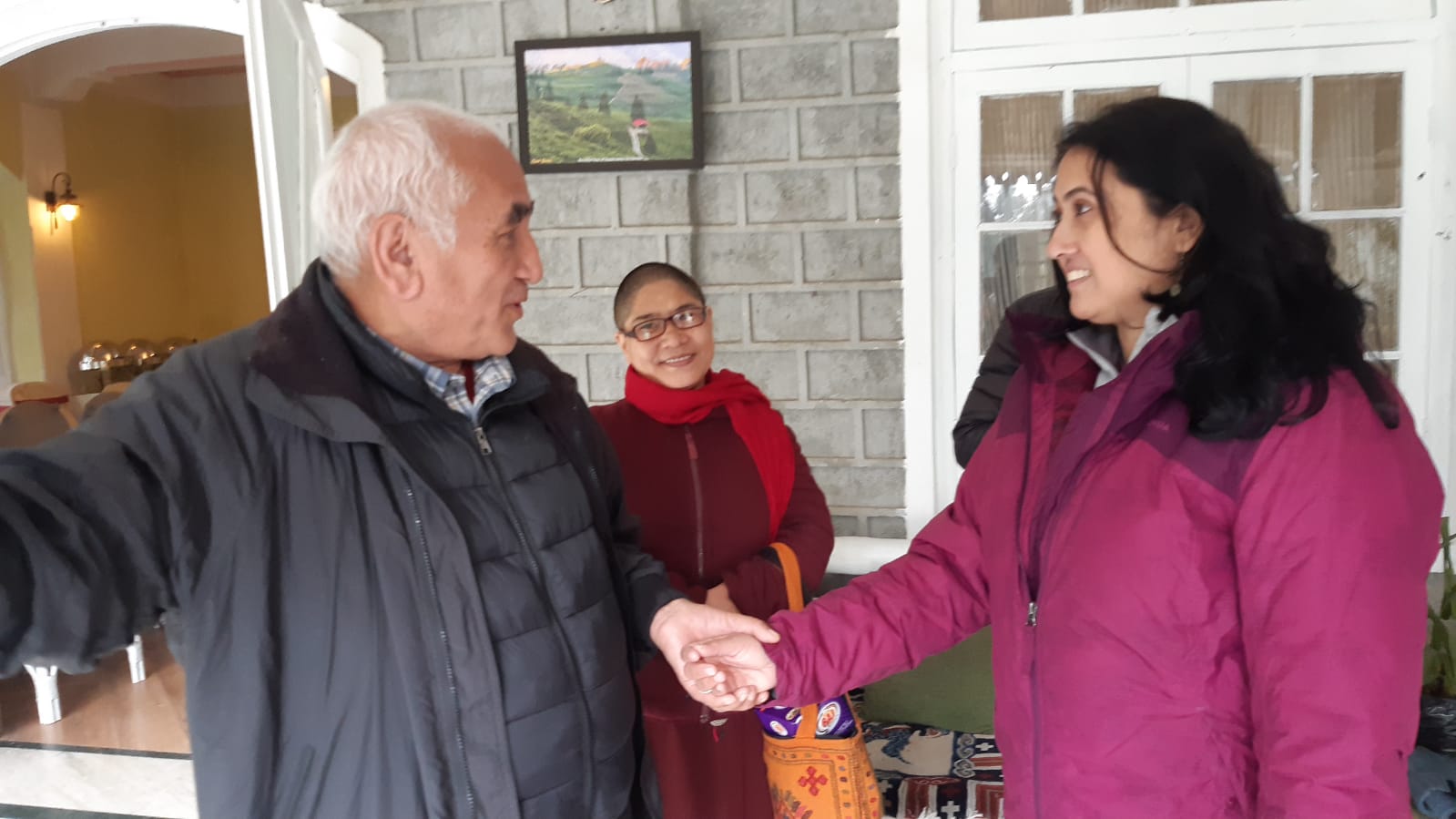
Before reaching the workshop venue, we visited a local school housed in another old bungalow with beautiful architecture. The first half of the day was well spent meeting the Takdah community people, interacting with them, and meeting some of the other experts who had joined – an entrepreneur from Nepal vested in promoting history and conserving heritage, and the principal of the Tibetan Medical Institute, a vey knowledgeable senior person.



As much as I enjoyed meeting new people from Takdah, I loved the local food, particularly a fermented spinach soup, and another herb soup that the host prepared for us. In the evening we went out for a walk towards the forest and I learned more about the history of the town, saw the remains of the old historic wall and enjoyed stories about the old trade-routes that the merchants from Bengal, Nepal and erstwhile Tibet used for trading fruits, wool, salt, etc. Many meandering paths cut through the forests, which have been turned into adventure trails. I also heard stories of leopards and bears frequenting the place during the nights. That night I stayed in a cozy room of colonial decor dipped in old charm with modern facilities such as a bed heater that really helped in the chill of the night. Next day, I reached the Bagdogra airport in the afternoon to return to Delhi.

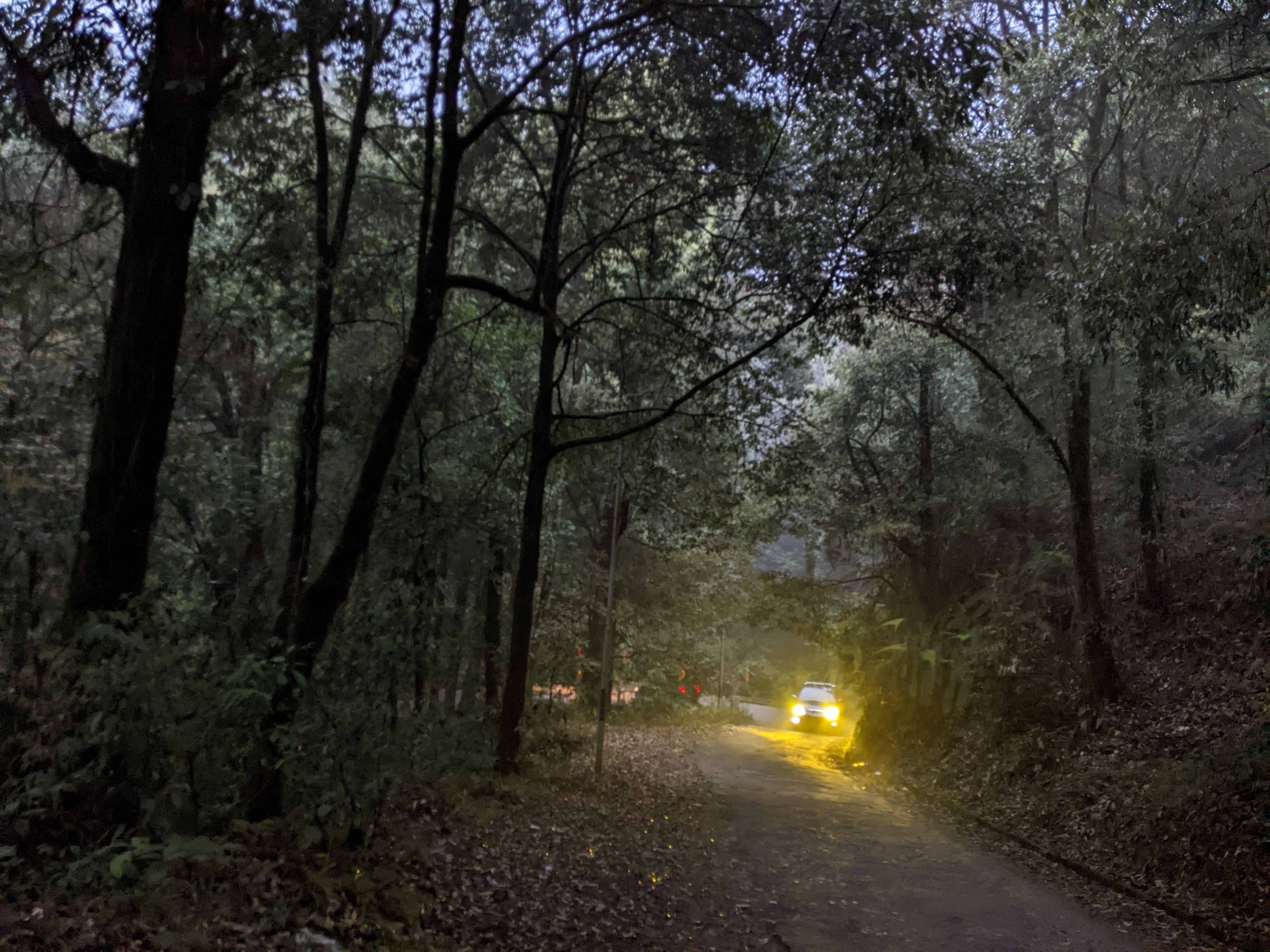
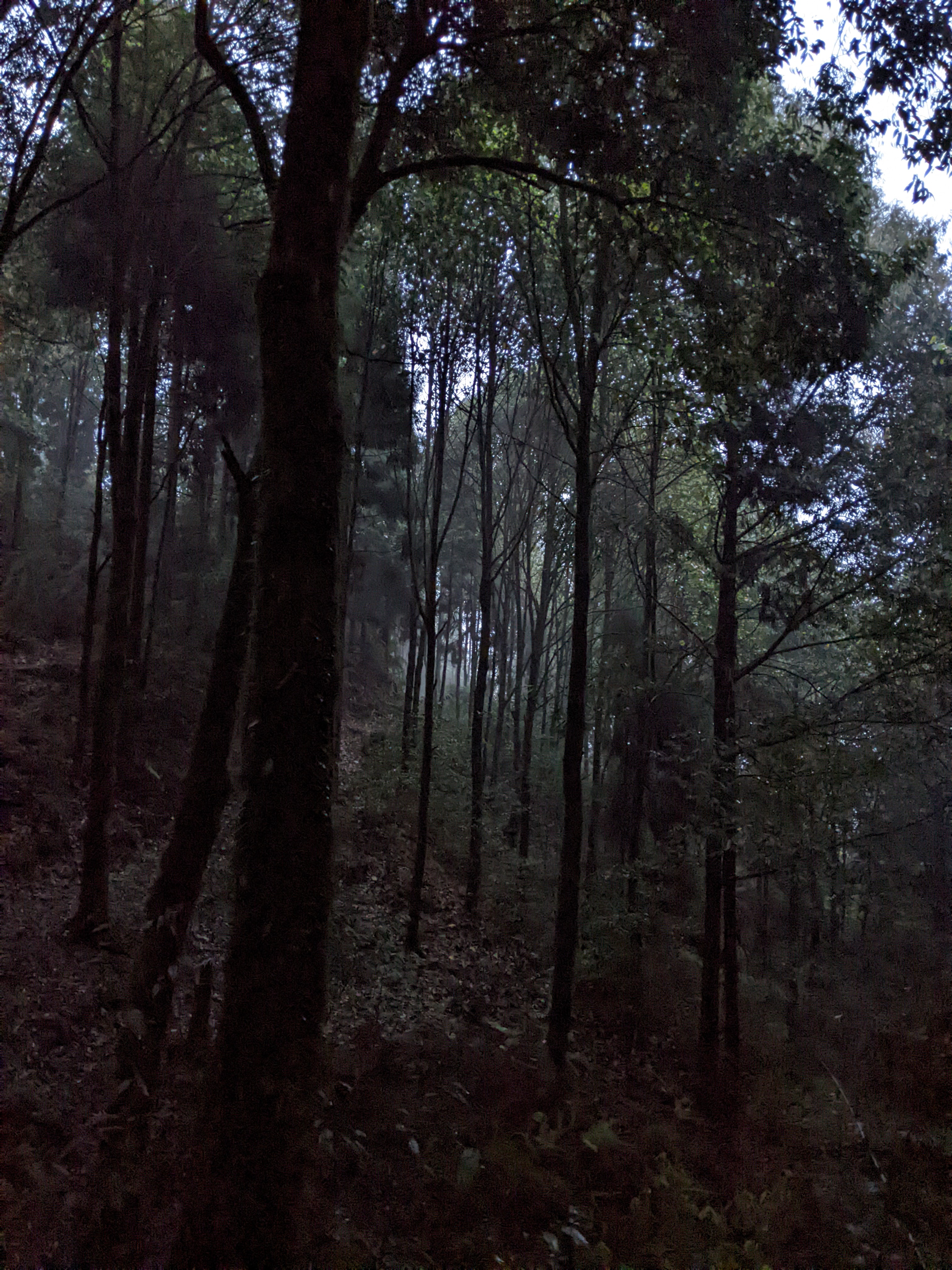

The visit was not only exciting but also enriching in terms of experiencing how such a small town tucked away into the depths of the Himalayas, and almost lost in history could revive itself with a slow but steady heritage home-stay based tourism movement, contributing to the socio-economic and cultural empowerment of the locals.
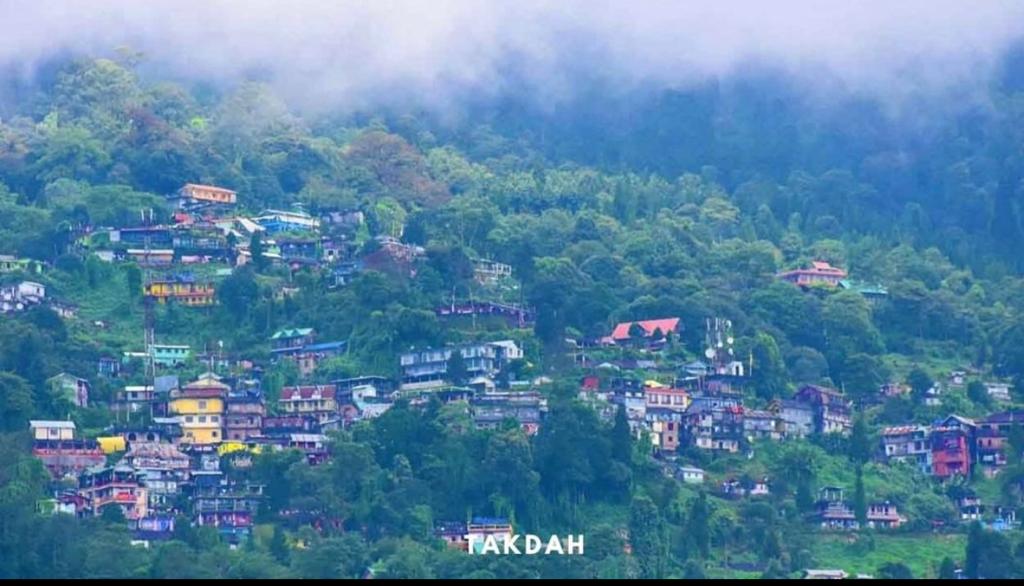
The place has more than 50 heritage bungalows which bear witness to the history of the Cantonment area since World War I. Nine of those are now converted to homestay that tourists visit often.
To know more please visit: https://www.facebook.com/Takdahclub
 Sunny Side Up