Theatre with a socio-political agenda is not new in India. However, I had very limited knowledge of its vast history and its role in social change until I started working in the social sector. As part of my job, we used to design and implement unique community organizing and alternative learning projects to bring about community led action in rural India. As I travelled into the interiors of rural Bengal I was even more fascinated by the diversity of indigeneous local theatre forms of Bengal and the power these forms had to influence and organize people! Over ten years, at work, we studied, experimented, learned and evolved various ways of using social theatre with specific social agendas of grassroots. The experiences were extensive across communities and cultures but what was magical was the liberating, confidence building and inspiring effect of social theatre for challenging apathy, raising issues and motivating collective action.
Theatre, with its long tradition, emerged as an effective instrument of social development overriding the overarching importance of state over its people during the 1960s and 1970s. Through changing times it has been used to mobilize social change through community education, raising consciousness, voicing concerns, initiating community dialogue, and bringing about collective activism by community itself. Various international pioneers continued to impact the rich Indian theatre practices leading to exchange, experimentation, research and diverse applications of social theatre.
Broadly, a social theatre can take place anywhere, and mostly occurs in places which are not usual spaces for theatre. It involves “non-performers” as well into performances. I have come to believe that it is an extremely powerful tool that directly touches the emotions and hearts of the spectators through the depiction of real life scenario with which the viewers can identify. This triggers their minds to think logically, discuss, voice and finally act through day to day local activism giving rise to a continuous struggle for social development that is meaningful and necessary to the local people.
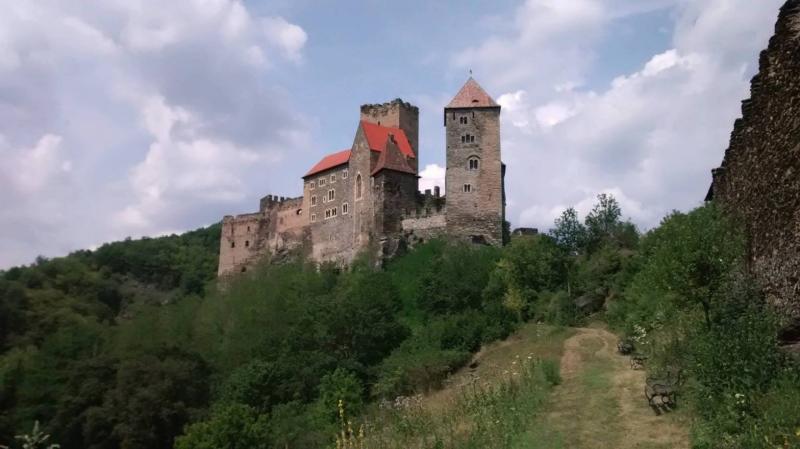
My experience and learning on this subject led me to an opportunity to conduct a social theatre workshop at the International Summer Academy in Drosendorf, a small town in the district of Horn in Lower Austria (about 3 hours from Vienna). Being a non-performer, it was a difficult yet exciting project for me. The participants were not required to be theatre specialists either, but could be anyone who wanted to learn about social theatre to undertake social actions of some kind. The workshop was organised by UNESCO Club Vienna as part of their annual event where, every year, in partnership with the local government, they invite different specialists from across the world to work with the local community in and around Drosendorf.
The participants in my workshop included a local theatre practitioner, a social worker, a fashion designer, and a real-life Countess who led social development activities in her town and was quite an activist! All the participants knew German and very little English. I got support from an ex-UN lady, and the organizer, who was also a pianist and composer for various Vienna orchestras. They were there not only to translate for me, but also to help me with my stay in a German speaking town for seven days.
The workshop started with classroom sessions on social theatre, its various formats, processes and applications across the world and my specific experience in India and with various local practitioners. As the sessions became more informal and interactive, discussions were held on possible local issues on which the group would like to develop a play. As the objective was to undertake action, Forum theatre, a particular drama technique originally created by Brazilian theatre practitioner Augusto Boal, was the chosen format by the group. A typical forum theatre format starts as one might expect, by depicting social reality ‘as it is’. The feature that distinguishes it is that it is stopped in the middle, after the social problems are established by the actors, but before any solutions are presented. Instead, the stage is opened up to the audience, who are encouraged to participate and engage in the ongoing play, attempting to suggest different solutions to the problems addressed in the play, by taking up the role of one of the characters.
Our theatre workshop concluded with a German play, scripted and developed by the participants themselves during the workshop, which addressed their local first world issues: saving local fresh food farmer’s markets (which have been closing down because of big multinational chains coming in), having dedicated cycling tracks in the city to minimize accidents and use of more cars, and racism, which is still prevalent. Racism was a particularly intersting topic especially raised by the Countess who brought into the play her personal experience of adopting a boy from Africa and raising him along with five of her own children. I was impressed by the sensitivity and integrity of the group as they developed their own play.
On the last day of the workshop, the show was performed in their community centre. The Mayor, the Bishop, and many local residents came to see the performance. Taking inspiration from Forum Theatre, the audience was asked to participate in the play to discuss the issues raised, ask questions and present their own views.
When the play ended, the entire audience, sitting in a half circle, stayed in their places, did not move and waited to hear more. We explained the format and the purpose, which was highly appreciated. The Mayor of Drosendorf saw value in it to be used for local social development issues and the Countess decided to form her own team for local activism!
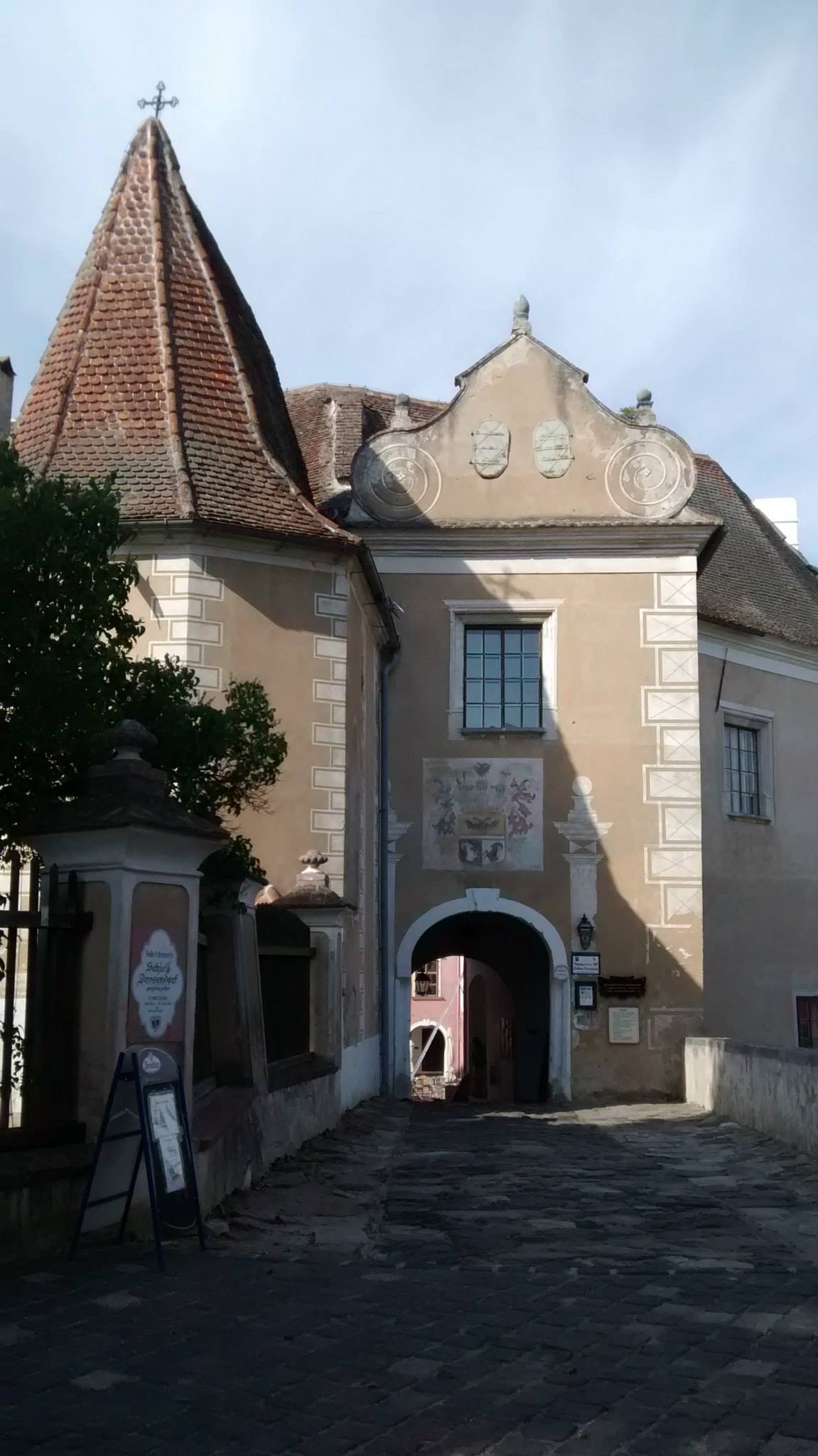

For me, staying in a town with just 1200 residents, staying in a Castle where its resident ghost, the “white lady”, was reputed to roam about at night, and surviving in the deafening silence of the place was quite an experience. But more memorable than all that was the hospitality, warmth and friendship that I still cherish. Now when I look back, it almost feels like an incident from a story book, especially my visit to the castle of the Countess, where I spent an evening over tea with the Count and the Countess! The castle was what I always imagined when reading P. G. Wodehouse’s description of Blandings, and had a collection of artifacts to rival any museum. It was a fascinating and a once-in-a-lifetime experience.
 Sunny Side Up